RIDDOR is one of the most important pieces of health and safety legislation in the UK. Understanding what needs to be reported, when, and how can be the difference between staying compliant and facing enforcement action. This guide breaks down everything you need to know about RIDDOR reporting.
What is RIDDOR?
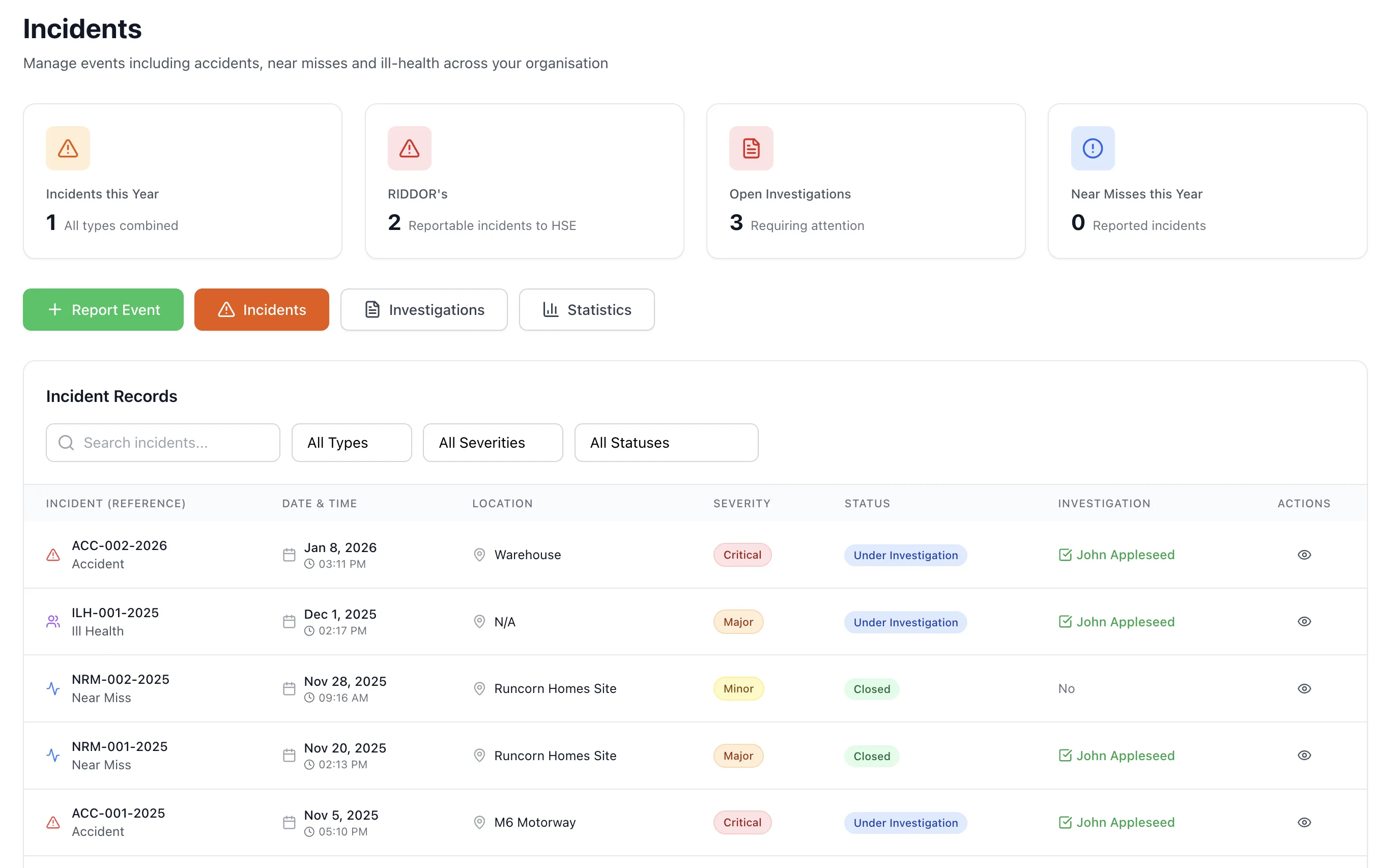
RIDDOR stands for the Reporting of Injuries, Diseases and Dangerous Occurrences Regulations 2013. It's UK law that requires employers, the self-employed, and people in control of work premises to report certain serious workplace incidents to the Health and Safety Executive (HSE).
The purpose of RIDDOR is to:
- Enable the HSE to identify where and how risks arise
- Help the HSE investigate serious incidents
- Provide data to target regulatory activity
- Identify trends and emerging risks across industries
Failure to report a RIDDOR incident is a criminal offence. Penalties can include fines and, in serious cases, prosecution. The HSE takes under-reporting very seriously.
Who Must Report?
The "responsible person" who must make the RIDDOR report depends on the situation:
- Employers - for incidents involving their employees
- The self-employed - for incidents arising from their work
- People in control of premises - for incidents involving people who are not at work (e.g., members of the public)
If a contractor's employee is injured on your premises, it's usually the contractor (as their employer) who must report. However, if the incident relates to the condition of your premises, you may also need to report.
What Must Be Reported
RIDDOR covers five main categories of reportable incidents:
1. Deaths
All deaths of workers and non-workers must be reported if they arise from a work-related accident, including acts of physical violence.
2. Specified Injuries
The following injuries to workers must be reported:
Fractures & Amputations
- Fractures (other than to fingers, thumbs, and toes)
- Amputation of an arm, hand, finger, thumb, leg, foot, or toe
Serious Injuries
- Permanent loss of sight or reduction in sight
- Crush injuries leading to internal organ damage
- Serious burns covering more than 10% of the body
- Scalping requiring hospital treatment
Loss of Consciousness
- Any injury leading to hypothermia, heat-induced illness, or unconsciousness
- Requires resuscitation or admittance to hospital for more than 24 hours
Other Specified Injuries
- Injury requiring admittance to hospital for more than 24 hours
- Any injury to a non-worker requiring hospital treatment
3. Over-7-Day Incapacitation
If a worker is incapacitated for more than 7 consecutive days (not counting the day of the accident), this must be reported. Incapacitation means the worker is unable to perform their normal duties.
The 7 days includes weekends and rest days, but not the day of the accident itself. If the accident happens on Monday and the worker can't return to normal duties until the following Wednesday, that's 8 days incapacitation and must be reported.
4. Occupational Diseases
Certain diagnosed occupational diseases must be reported when linked to specific work activities:
| Disease | Work Activity |
|---|---|
| Carpal tunnel syndrome | Work involving vibrating tools, repetitive movements |
| Severe cramp (hand/forearm) | Repetitive hand movements |
| Occupational dermatitis | Work with known skin sensitisers |
| Hand-arm vibration syndrome | Work with vibrating tools |
| Occupational asthma | Work with known respiratory sensitisers |
| Tendonitis or tenosynovitis | Repetitive movements or manual handling |
5. Dangerous Occurrences
Certain "near-miss" events must be reported even if no one was injured. These include:
- Collapse, overturning or failure of lifting equipment
- Plant or equipment coming into contact with overhead power lines
- Explosion or fire causing work stoppage for more than 24 hours
- Collapse of scaffolding over 5 metres high
- Unintended collapse of buildings or structures
- Accidental release of biological agents
- Malfunction of breathing apparatus
- Failure of diving equipment
Reporting Deadlines
RIDDOR has strict deadlines that must be followed:
Report by phone if the incident results in death or a specified injury. Follow up with an online report within 10 days.
All incidents (except over-7-day) must be reported online within 10 days of the incident.
Must be reported within 15 days of the incident (not when you learn the worker has been off for 7+ days).
For fatal and specified injuries, you must notify the HSE immediately by phone on 0345 300 9923. Don't wait to complete your investigation first.
How to Report
There are two ways to report a RIDDOR incident:
Online Reporting (Preferred)
The HSE's online reporting system is the preferred method for all RIDDOR reports:
- Go to the HSE RIDDOR website
- Select the appropriate report type
- Complete all required fields
- Submit and save your reference number
Telephone Reporting
Call the HSE Incident Contact Centre on 0345 300 9923 (Monday to Friday, 8:30am to 5pm). Telephone reporting is only for:
- Fatal incidents
- Specified injuries
- Incidents where you can't report online
Information Required
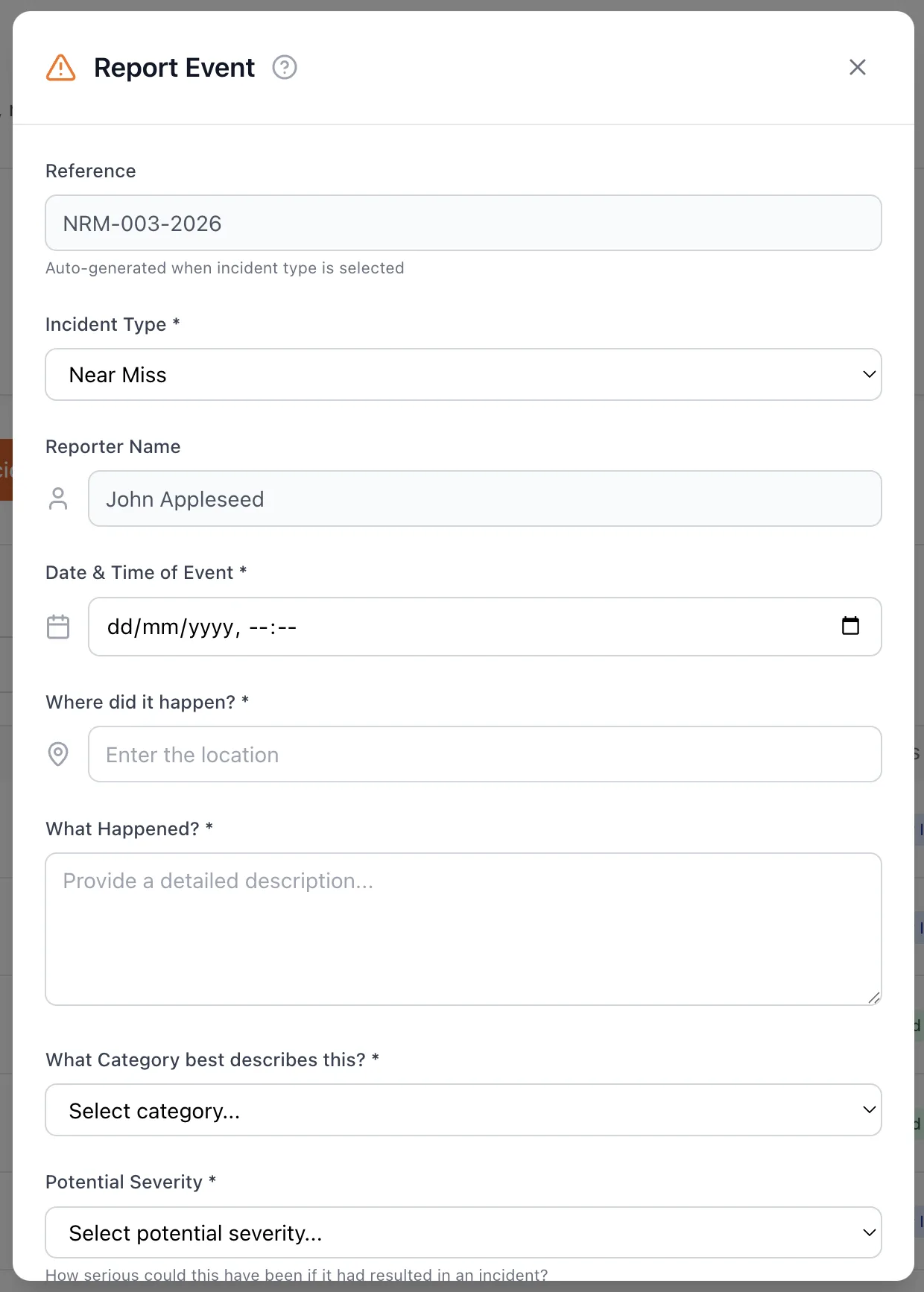
When making a RIDDOR report, you'll need to provide:
- Date, time and location of the incident
- Details of the injured person (name, occupation, nature of injury)
- Brief description of what happened
- Details of any equipment involved
- Your contact details as the responsible person
Record Keeping
RIDDOR requires you to keep records of all reportable incidents for at least 3 years. Records must include:
- Date and method of reporting
- Date, time and place of the incident
- Personal details of those involved
- Brief description of the nature of the event
You can keep a copy of the online report form as your record, or maintain your own records as long as they contain all required information.
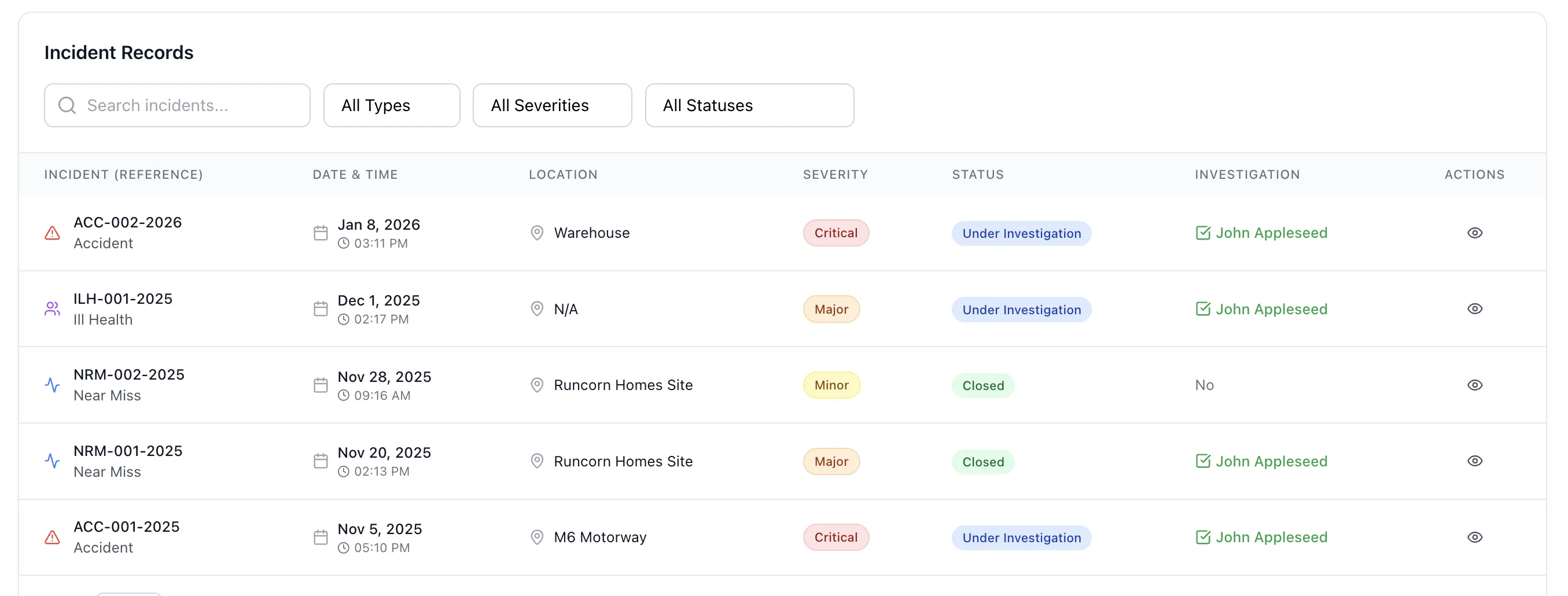
Remember that RIDDOR records are separate from your accident book. You still need to record all accidents (not just RIDDOR-reportable ones) in your accident book under the Social Security (Claims and Payments) Regulations 1979.
Common Mistakes to Avoid
Missing the deadline
Report as soon as you become aware an incident is reportable. Don't wait for your investigation to complete.
Under-reporting
If in doubt, report. It's better to report something that turns out not to be required than to miss a reportable incident.
Miscounting the 7 days
Remember: don't count the day of the accident, but do count weekends and rest days. It's about inability to do normal work, not just absence.
Forgetting near-misses
Dangerous occurrences must be reported even if no one was hurt. The potential for harm is what matters.
Poor record keeping
Keep copies of all reports and supporting documentation. The HSE may request records during an inspection.
Simplify RIDDOR with Safety Mate®
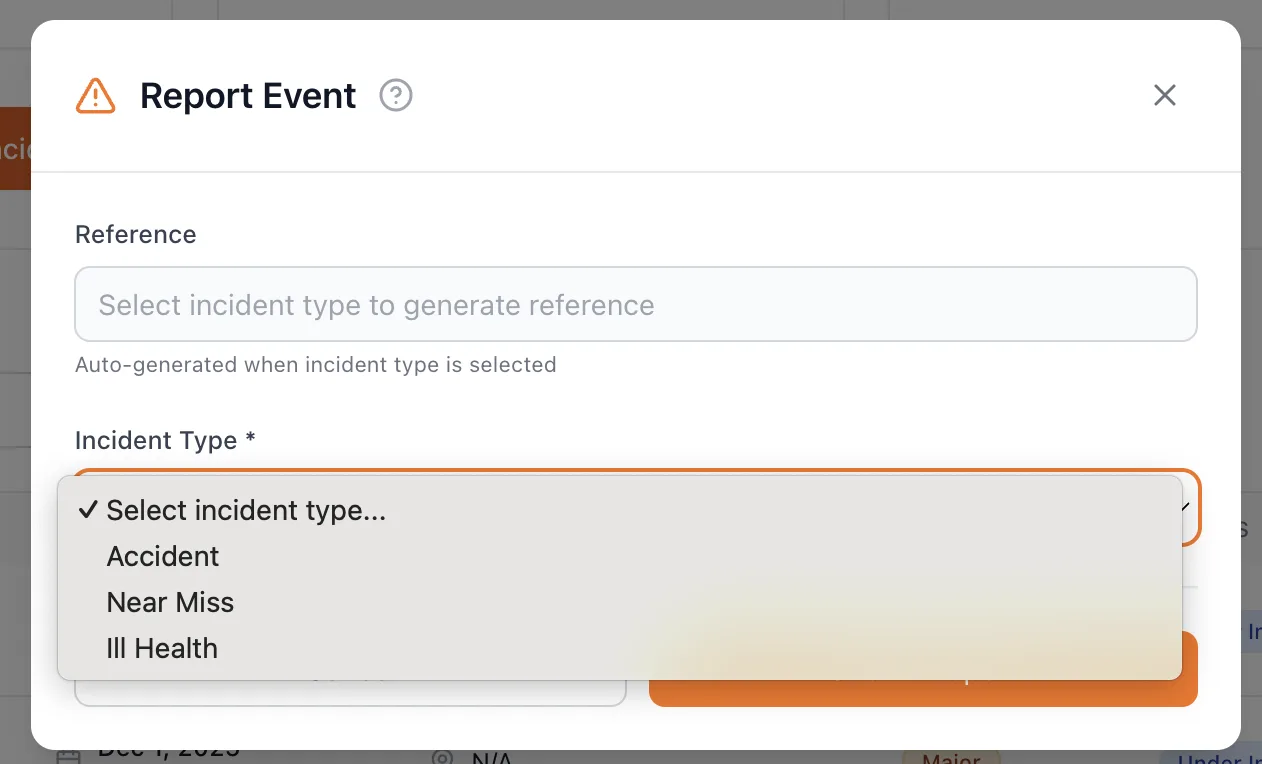
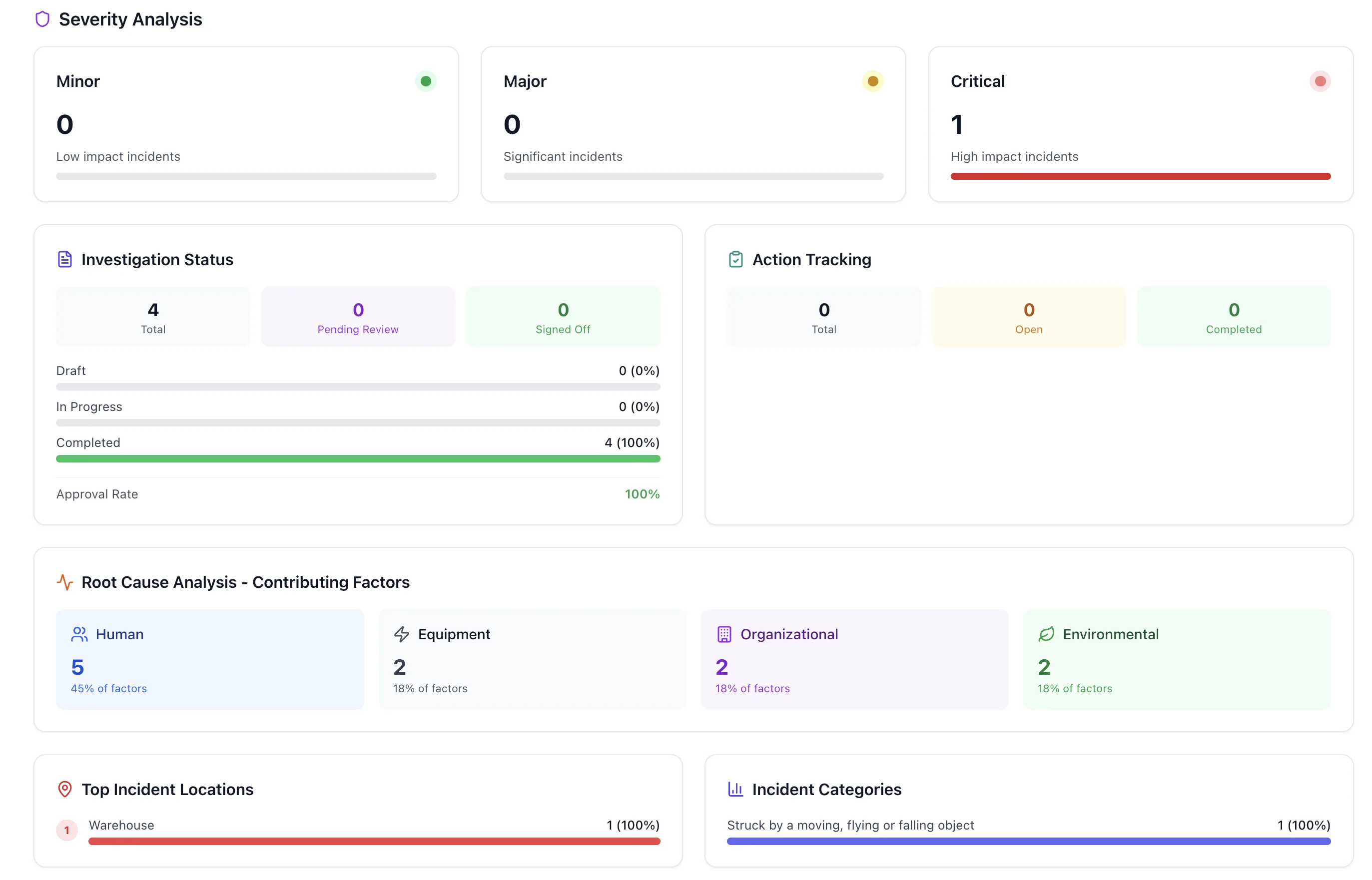
Safety Mate® helps you stay on top of RIDDOR compliance with features designed to make incident management and reporting straightforward:
RIDDOR Classification
Automatically identify if an incident is RIDDOR-reportable based on the details you enter.
Deadline Reminders
Get automatic reminders before reporting deadlines expire so you never miss a submission.
Complete Records
Capture all the information you need for RIDDOR reports in one place, with photos and supporting documents.
Audit Trail
Maintain a complete audit trail for every incident, demonstrating your compliance to inspectors.
Conclusion
RIDDOR compliance doesn't have to be complicated. By understanding what needs to be reported, acting quickly when incidents occur, and maintaining good records, you can stay on the right side of the law.
Key takeaways:
- Report fatal and specified injuries immediately by phone
- Submit online reports within 10 days (15 for over-7-day incapacitation)
- Keep records for at least 3 years
- When in doubt, report
- Use software like Safety Mate® to streamline the process
Stay RIDDOR compliant with ease
Safety Mate® helps you track incidents, meet deadlines, and maintain the records you need. Start your free 14-day trial today.
Start free trial