You can have the best policies, procedures, and equipment in the world-but if your people don't believe in safety, don't feel empowered to speak up, or see it as "someone else's job," incidents will happen. Safety culture is the invisible force that determines whether your safety management system actually works in practice.
What is Safety Culture?
Safety culture is the collection of beliefs, attitudes, values, and behaviours that shape how safety is perceived and prioritised in your organisation. It's "the way we do things around here" when it comes to health and safety.
A positive safety culture is characterised by:
- Shared belief that safety is a core value, not just a priority
- Trust that allows people to report concerns without fear
- Leaders who visibly demonstrate their commitment
- Open communication about risks and near-misses
- Continuous learning and improvement
- Everyone feeling responsible for their own safety and others'
Priorities change depending on circumstances-values don't. When safety is a value, it doesn't get traded off against production pressures or deadlines. It's non-negotiable.
Why Safety Culture Matters
Research consistently shows that organisations with strong safety cultures have:
Organisations with mature safety cultures experience significantly fewer workplace injuries and illnesses.
When people feel safe to report, you catch problems before they cause harm.
Safe workplaces are efficient workplaces-fewer disruptions, less downtime, better morale.
Beyond the statistics, a strong safety culture:
- Attracts and retains talented employees who want to work somewhere that values them
- Reduces insurance premiums and workers' compensation costs
- Protects your reputation with customers, regulators, and the public
- Creates a foundation for operational excellence in other areas
Signs of Strong vs Weak Safety Culture
How do you know where your organisation stands? Look for these indicators:
✓ Strong Safety Culture
- Workers stop unsafe work without fear of reprisal
- Near-misses are reported and investigated
- Leaders regularly walk the floor and engage on safety
- Safety is discussed at every meeting, not just after incidents
- Workers suggest improvements and they get implemented
- Training is seen as valuable, not a box to tick
- Contractors and visitors follow the same standards
- People look out for each other
✗ Weak Safety Culture
- Production always comes first
- "We've always done it this way"
- Near-misses go unreported
- Safety is the safety manager's job
- Leaders talk safety but don't model it
- Rules are bent when supervisors aren't watching
- Incident investigations focus on blame
- Workers are afraid to speak up
Leadership Commitment
Safety culture starts at the top. If leaders don't genuinely believe in and demonstrate their commitment to safety, no amount of policies or training will create real change.
What Leadership Commitment Looks Like
- Visible presence – Leaders regularly visit work areas, talk to workers, and observe operations
- Resource allocation – Safety gets the budget, time, and people it needs
- Decision-making – Safety is factored into every business decision
- Personal behaviour – Leaders follow the same rules as everyone else
- Response to incidents – Focus on learning and improvement, not blame
Workers watch what leaders do, not what they say. A manager who walks past a hazard without stopping, or pressures workers to skip safety steps to meet a deadline, undermines months of safety messaging in seconds.
Practical Steps for Leaders
- Conduct regular safety walkarounds-and actually listen
- Include safety as a standing agenda item in all meetings
- Personally acknowledge good safety performance
- Respond promptly to safety concerns raised by workers
- Share safety performance data openly and honestly
- Invest in safety improvements, even when budgets are tight
Employee Engagement
A strong safety culture isn't something you do to workers-it's something you build with them. Engaged employees are your most valuable safety resource.
Ways to Involve Workers
Safety Committees
Include frontline workers in safety committees with real decision-making power, not just advisory roles.
Risk Assessment Input
Involve workers in creating and reviewing risk assessments-they know the hazards better than anyone.
Suggestion Schemes
Create easy ways for workers to suggest safety improvements, and act on good ideas quickly.
Incident Investigations
Include affected workers and their colleagues in investigations-they provide crucial insights.
When workers raise concerns or make suggestions, always follow up-even if the answer is "no." Explain why decisions were made. Nothing kills engagement faster than feeling ignored.
Effective Communication
Clear, honest, two-way communication is the lifeblood of safety culture. Information needs to flow up, down, and across your organisation.
Principles of Safety Communication
- Be transparent – Share both successes and failures openly
- Be timely – Don't wait for the monthly newsletter to share important information
- Be relevant – Tailor messages to your audience; what matters to office workers differs from site workers
- Be accessible – Use language everyone understands; translate if needed
- Be two-way – Create channels for workers to communicate back
Communication Channels
| Channel | Best For | Tips |
|---|---|---|
| Toolbox talks | Reinforcing specific topics, discussing recent events | Keep them short, interactive, and relevant to the day's work |
| Safety meetings | Strategic discussions, reviewing performance | Include worker representatives; focus on improvement, not blame |
| Digital platforms | Real-time updates, document sharing, reporting | Make sure everyone can access them, including those without desk jobs |
| Notice boards | Displaying key information, celebrating successes | Keep them current-outdated information suggests safety isn't a priority |
| Safety alerts | Urgent warnings, lessons from incidents | Issue promptly; make sure they reach everyone affected |
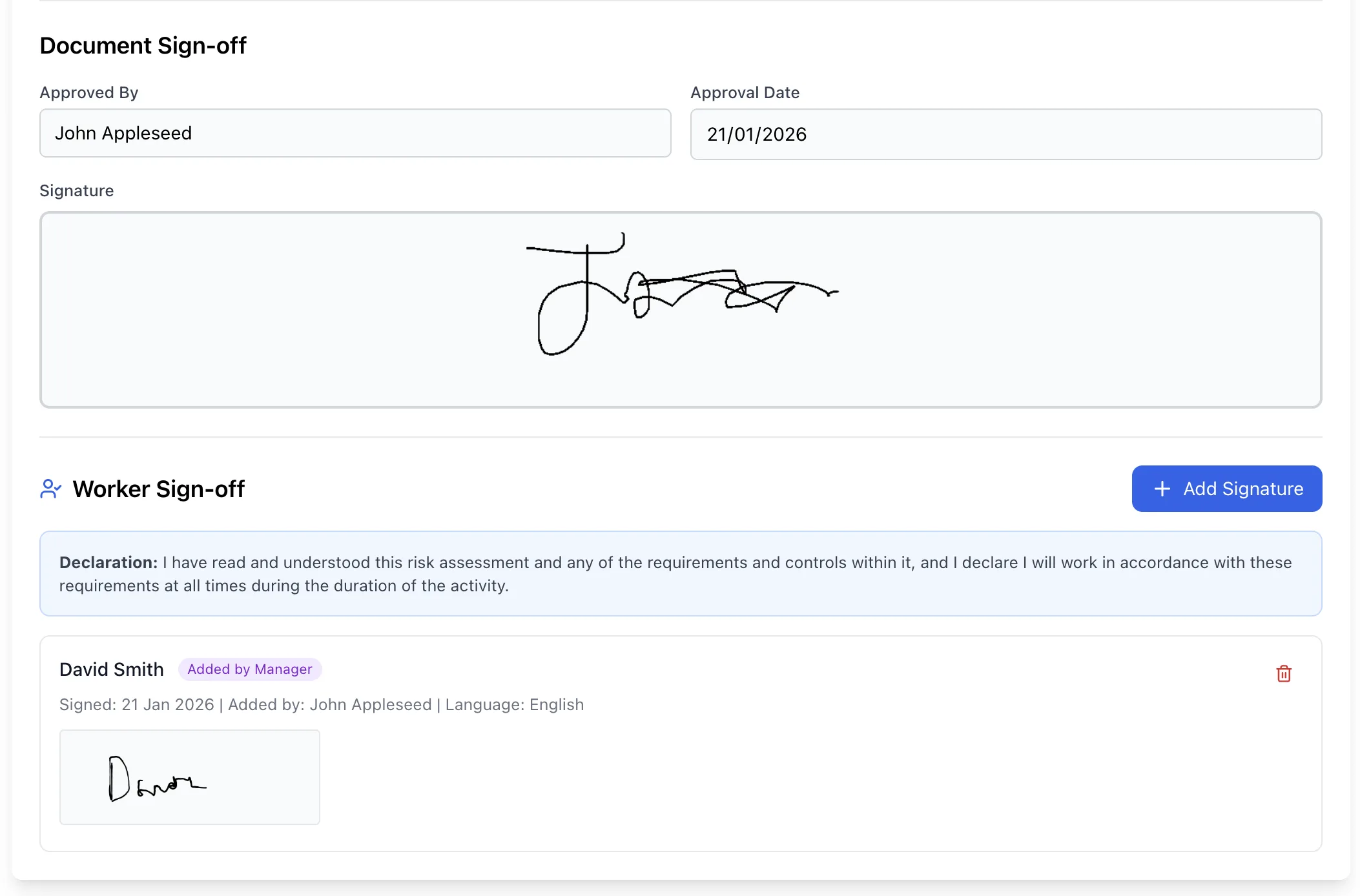
Reporting & Learning
How your organisation responds to incidents, near-misses, and concerns reveals your true safety culture. A learning culture treats every event as an opportunity to improve.
Creating a Reporting Culture
For people to report, they need to believe:
- It's safe to report without fear of punishment
- Reports will be taken seriously and acted upon
- Reporting makes a difference to safety
- It's easy to report-not bureaucratic or time-consuming
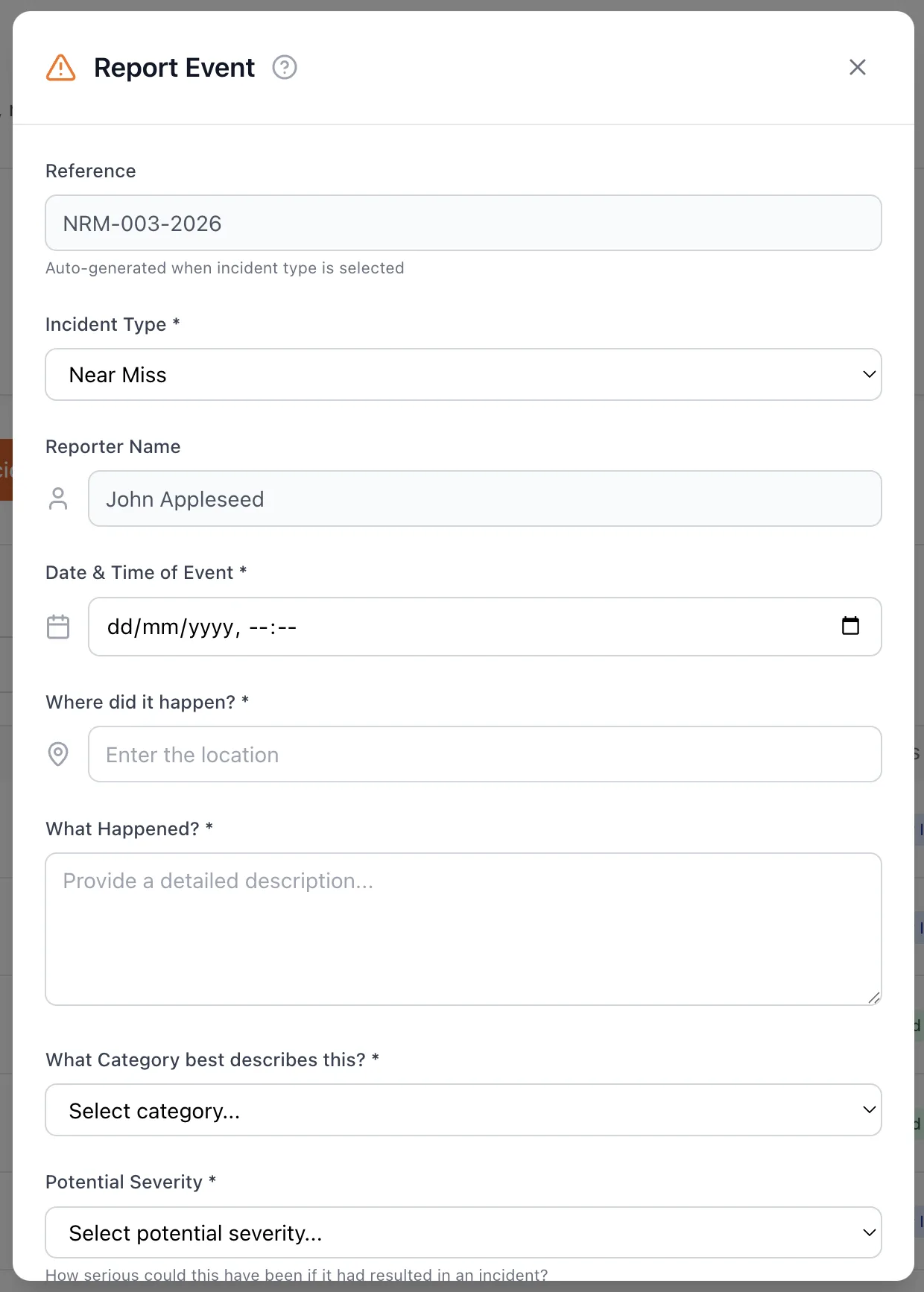
Learning from Events
Every incident and near-miss should trigger a learning process:
- Investigate thoroughly – Look for root causes, not just immediate causes
- Ask "why" repeatedly – Keep digging until you understand the systemic factors
- Share lessons widely – Other teams can learn from your findings
- Implement improvements – Change systems and processes, not just behaviours
- Follow up – Check that changes have been effective
When investigations focus on "who did it wrong," people stop reporting. Focus instead on "what allowed this to happen" and "how do we prevent it happening again." Human error is usually a symptom, not a cause.
Training & Competence
People can't work safely if they don't know how. But effective safety training goes beyond ticking compliance boxes-it builds genuine competence and reinforces culture.
Elements of Effective Training
- Relevant – Tailored to the actual work people do
- Practical – Hands-on learning, not just presentations
- Engaging – Interactive, not death by PowerPoint
- Regular – Refreshed and reinforced, not one-and-done
- Assessed – Check understanding, not just attendance
Beyond Compliance Training
Consider training that supports safety culture, not just technical competence:
- Hazard recognition and risk awareness
- How to have safety conversations
- Bystander intervention skills
- Incident investigation techniques
- Leadership safety responsibilities
Recognition & Accountability
What gets recognised gets repeated. How you acknowledge good safety performance-and address poor performance-shapes behaviour across the organisation.
Recognising Good Performance
- Celebrate near-miss reports as proactive safety contributions
- Recognise teams that maintain good safety records (but be careful with injury-free metrics-they can discourage reporting)
- Acknowledge individuals who speak up about hazards
- Share success stories across the organisation
- Make safety achievements visible to leadership
Holding People Accountable
Accountability doesn't mean blame-it means everyone understands their responsibilities and takes them seriously:
- Be consistent-rules apply equally to everyone, including managers
- Distinguish between honest mistakes and reckless behaviour
- Focus on behaviour change, not punishment
- Address issues promptly-delayed feedback is ineffective
- Support people to improve, don't just criticise
Recognition should outweigh correction by a significant margin. If the only time people hear about safety is when something goes wrong, they'll associate safety with negativity.
Measuring Safety Culture
You can't improve what you don't measure. But measuring safety culture requires looking beyond traditional metrics like incident rates.
Leading vs Lagging Indicators
Lagging Indicators
Measure what has already happened
- Injury and illness rates
- Lost time incidents
- Workers' compensation claims
- Regulatory citations
Leading Indicators
Predict future performance
- Near-miss reporting rates
- Hazard reports submitted
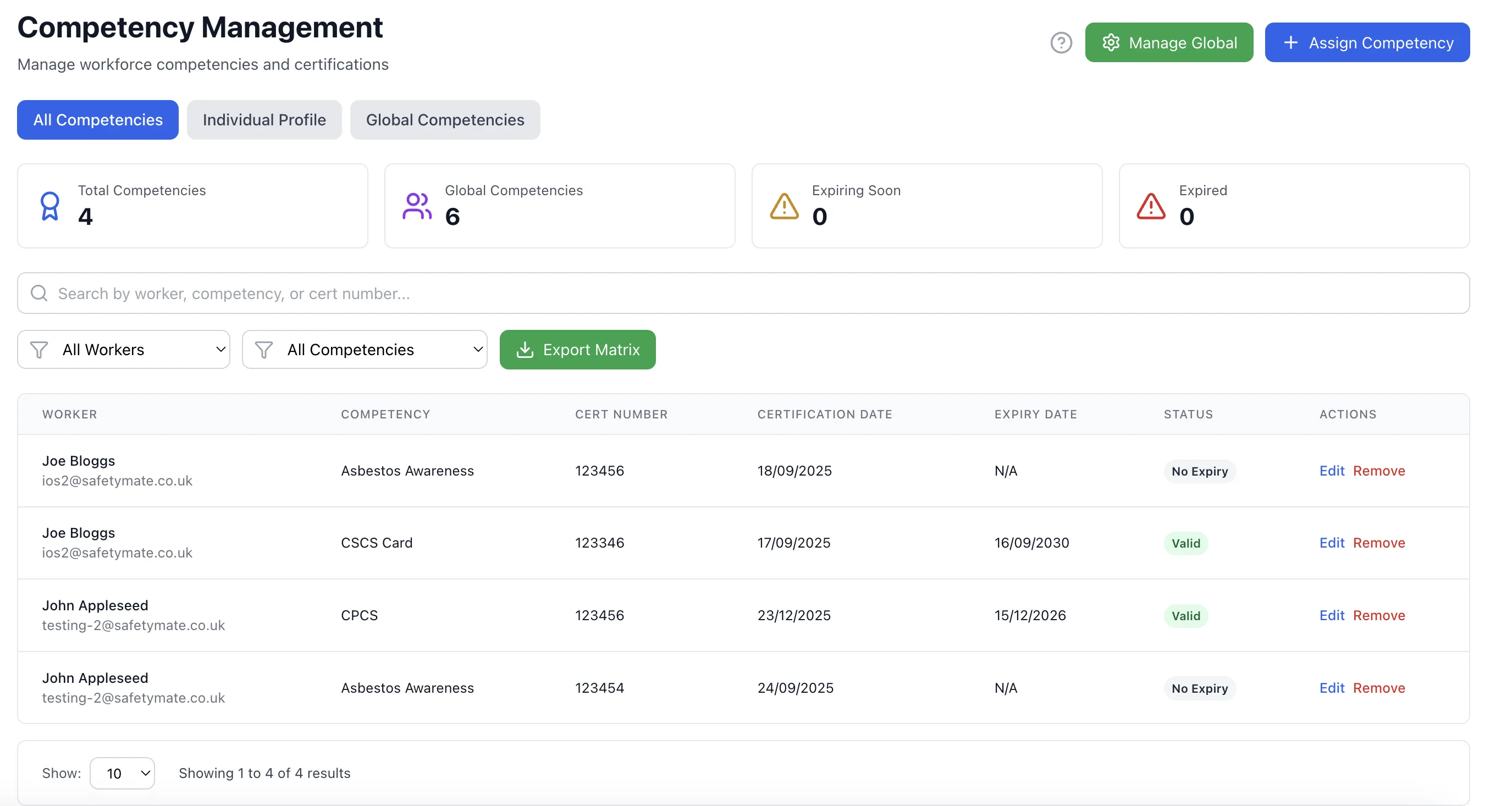
- Training completion rates
- Audit scores and trends
- Safety meeting attendance
- Action closure rates
Culture Assessment Methods
- Perception surveys – Anonymous questionnaires about safety attitudes and beliefs
- Behavioural observations – Systematic observation of safe and unsafe behaviours
- Focus groups – Facilitated discussions to explore cultural issues in depth
- Interviews – One-on-one conversations with workers at all levels
- Document review – Analysis of meeting minutes, incident reports, and communications
Common Pitfalls to Avoid
Treating culture as a programme
Culture change isn't a project with a start and end date. It requires sustained effort over years, not months.
Focusing only on workers
Culture change must include-and start with-leadership. You can't train workers into a culture that management doesn't model.
Celebrating zero injuries
Zero injury rates can indicate a strong culture-or a culture where people don't report. Focus on leading indicators and reporting rates instead.
One-size-fits-all approach
Different parts of your organisation may have different cultures. Tailor your approach to local contexts while maintaining core principles.
Expecting quick results
Culture develops over years and changes slowly. Set realistic expectations and celebrate incremental progress.
Conclusion
Building a strong safety culture is a journey, not a destination. It requires genuine commitment from leadership, meaningful engagement of workers, open communication, continuous learning, and the right tools to support it all.
Key takeaways:
- Safety culture is "how we do things"-it determines whether your systems actually work
- Leadership commitment must be visible and genuine, not just words
- Engage workers as partners, not subjects
- Create an environment where people feel safe to report and speak up
- Learn from every incident and near-miss without blame
- Measure leading indicators, not just lagging ones
- Be patient-culture change takes time
Support your safety culture journey
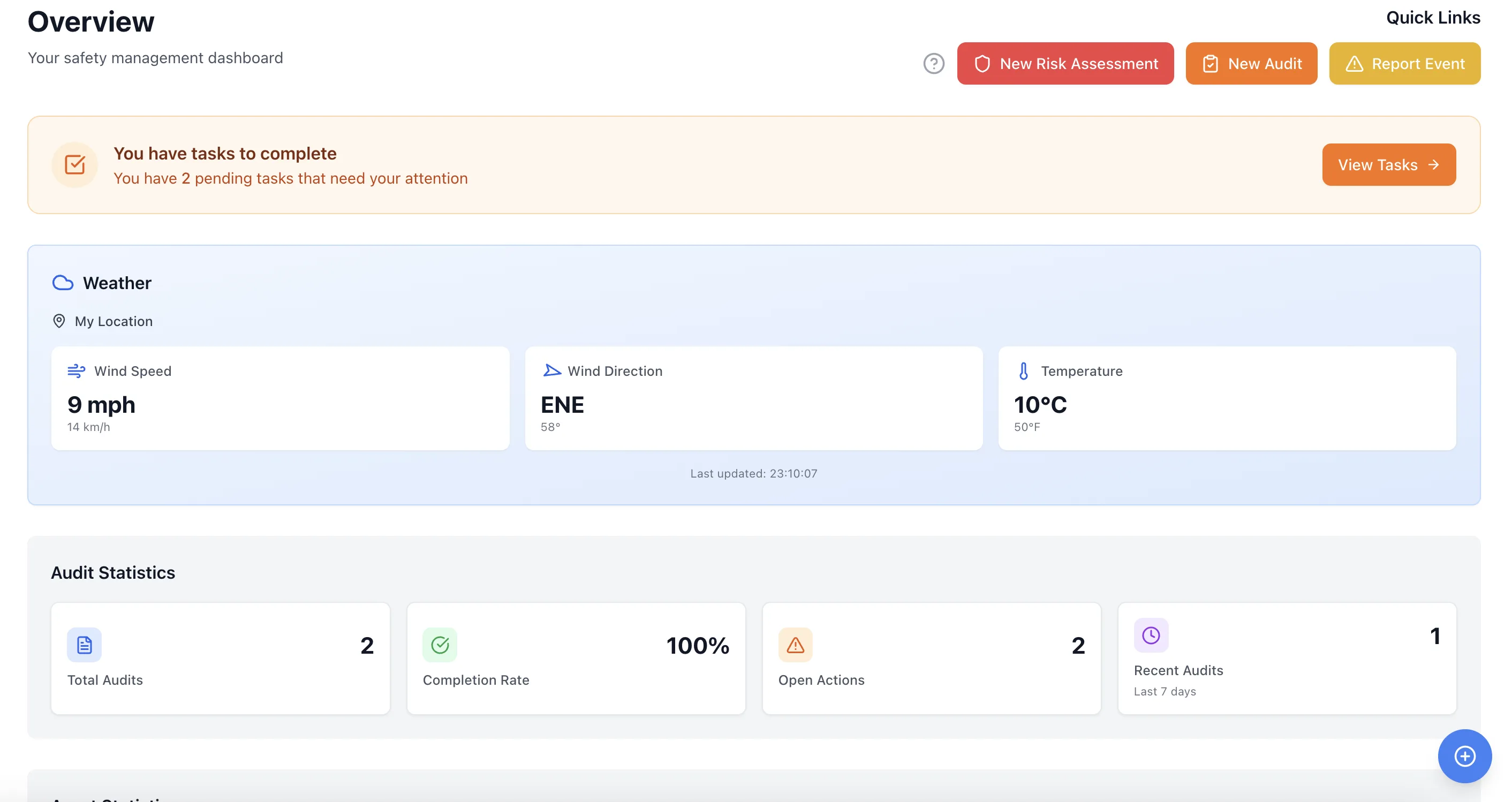
Safety Mate® provides the tools your team needs to report, communicate, and improve-building the habits that create a strong safety culture.
Start free trial